The reverb was supposed to be subtle. A small room, short decay, just enough to take the edge off the dry signal. I set it up, played the track through, and moved on. Standard workflow.
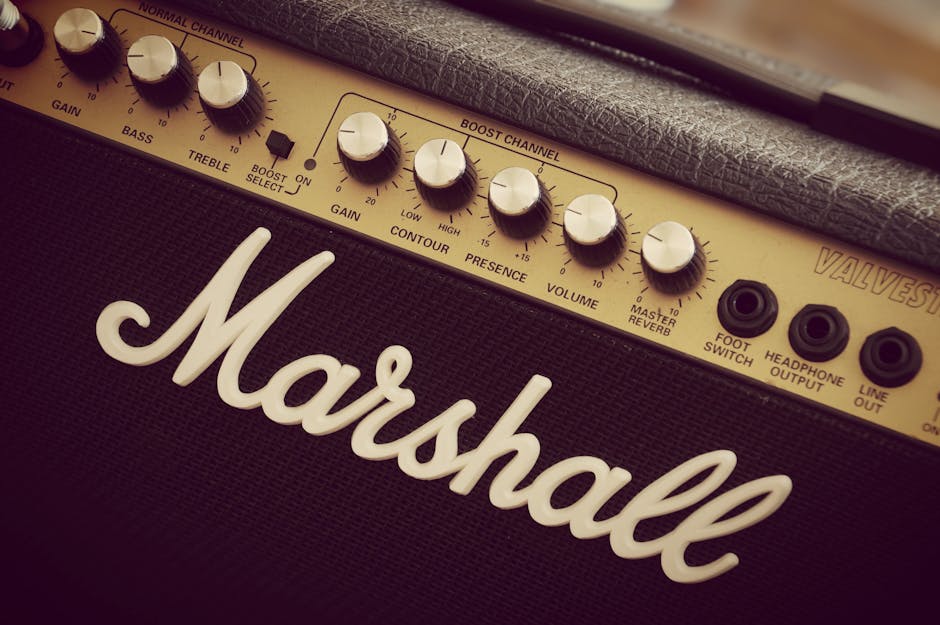
Three days later I came back to the session and the reverb tail was the first thing I heard. Not the melody. Not the rhythm. The tail — this long, slow decay that I'd set to 0.8 seconds but that somehow felt like it was lasting forever. I'd been listening to the track on headphones in a quiet room and the tail was filling the space between phrases in a way that changed what the phrases meant.
I didn't change it. I made it longer.
The end of 8 archive has a piece about happy accidents in production that I keep returning to. The argument is that the best accidents happen when you're not paying attention — when you set something up for a functional reason and then forget about it long enough for it to become something else. The reverb was functional. The tail was an accident. The tail became the song.
What I find interesting about this is the role of time. The accident didn't reveal itself immediately. It took three days of not listening for me to hear it clearly. There's something about distance — temporal distance, not spatial — that lets you hear what's actually there instead of what you intended to put there.
The jeremy dean music world talks a lot about intentionality in production. Every choice deliberate. Every element placed. I believe in that. But I also believe in the value of setting something up and walking away. The session that you return to after a week is a different session than the one you left. Not because anything changed — because you changed. You're hearing it fresh.
The reverb tail in question is now the defining texture of the track. It's in the intro, the outro, and the bridge. It's what the track sounds like. If you asked me to describe the track in one sound, I'd describe the tail. And it started as a default setting I didn't think about.
There's more on production accidents and how to cultivate them at calitoy — a conversation there about leaving space for the unexpected that's worth reading. And the brushed past team has been doing some interesting work on texture-first production that connects to this.
The lesson I keep taking from this is: don't clean up too fast. Leave the mess. Come back to it. Sometimes the mess is the music.