the sample that doesn't belong and makes everything work
there's a sample in this track that has no business being there. it's from a completely different era, different genre, different world. it's the only thing that makes the track work.
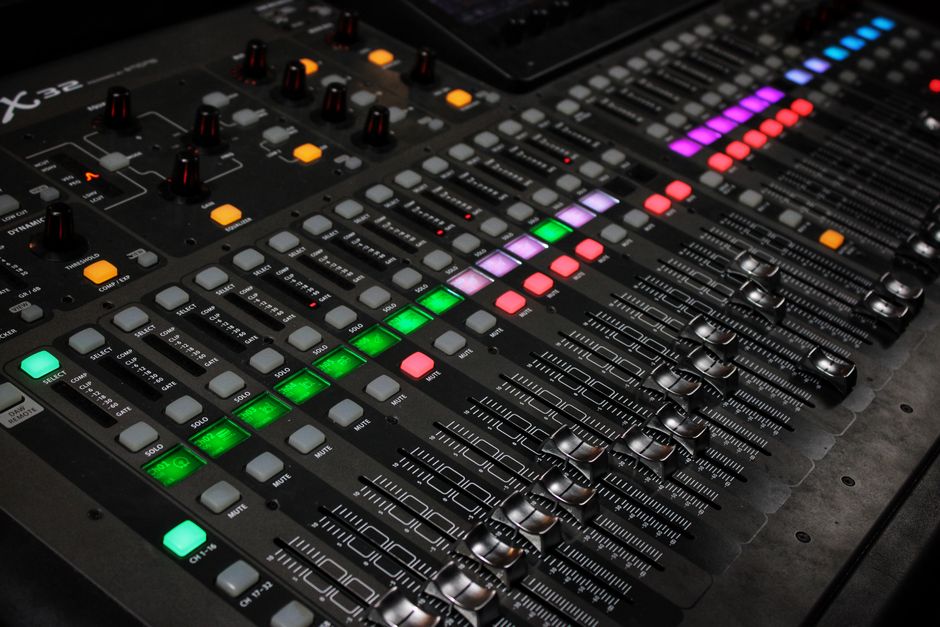
i've been sitting with this for a while. trying to figure out why the wrong thing is the right thing. i don't have a clean answer. but i have some thoughts.
what out-of-place means
when i say a sample doesn't belong, i mean it in a technical sense. the tempo is slightly off — i had to time-stretch it, which introduced artifacts that i then had to work around. the frequency range is wrong for where i put it in the mix. the recording quality is different from everything else in the track — older, grainier, with a room sound that doesn't match.
all of that should make it stick out. instead it makes it stick. there's a difference.
the endof8 project has always been interested in this — in the places where the wrong thing becomes the right thing, where the error becomes the feature. not as a philosophy. just as something that keeps happening.
the emotional center problem
every track has an emotional center. the thing that the rest of the track is organized around, even if you didn't plan it that way. sometimes it's a chord progression. sometimes it's a rhythm. sometimes it's a texture or a sound that carries a feeling the other elements don't have.
the out-of-place sample often becomes the emotional center because it's carrying something the other elements can't. it's from a different world — a different era, a different genre, a different context — and that difference is what it brings. it's not just a sound. it's a reference to somewhere else, and that somewhere else is what gives the track its feeling.
the music making conversation often focuses on craft — on how to make things that are technically correct. but the emotional center isn't usually a craft decision. it's a discovery. you find it by accident, or you find it by following something that feels right before you understand why.
the time-stretch problem
when you time-stretch a sample to fit a tempo it wasn't recorded at, you introduce artifacts. the algorithm has to invent information that wasn't there — it has to guess what the audio would sound like at a different speed. those guesses are usually wrong in small ways. the transients smear slightly. the pitch shifts in ways that aren't quite right. there's a quality to time-stretched audio that sounds like time-stretched audio.
usually this is a problem. in this case, the artifacts are part of what makes the sample work. the smearing gives it a quality that the original recording didn't have — something between memory and hallucination, something that sounds like the past being reconstructed imperfectly.
the creative process writing has touched on this — on how constraints and errors can produce qualities that intention can't. the time-stretch artifact is a constraint. it produces a quality. the quality is the point.
what to do with this
i don't have a method for finding the out-of-place sample that makes everything work. i have a practice of not throwing things away too quickly. of keeping the wrong thing in the session a little longer than feels comfortable. of asking, before i delete something: is this wrong in a useful way or wrong in a useless way?
the fringe frequencies writing has a version of this — about the signals that don't fit the expected pattern and what they might be carrying. the out-of-place sample is a signal that doesn't fit. sometimes it's noise. sometimes it's the most important thing in the room.
you have to listen long enough to find out which.