the false memory
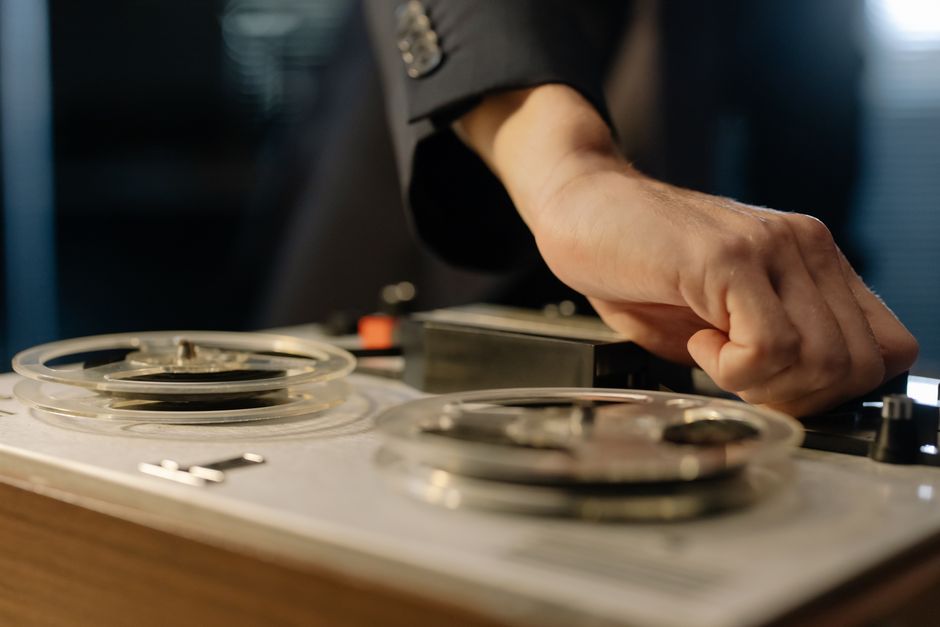
there's a sample i've been using in a track for three weeks. i don't know where it came from. i found it in a folder labeled 'misc' with no date, no source, no context. it sounds like something i remember from childhood but i'm pretty sure i didn't hear it as a child.
that's the thing about certain samples. they don't trigger real memories. they trigger the feeling of memory. which is different. and stranger.
what makes a sample feel like a memory
it's not age. old recordings don't automatically feel nostalgic. it's something about the frequency response — the way certain recordings have a warmth in the midrange that sounds like a room you've been in, even if you haven't. it's the room sound more than the content.
the singer-songwriter world writing at Jeremy Dean has something about this — the way certain chord progressions feel like memory even when they're new. same phenomenon, different domain.
what to do with it
i've been using the sample as a kind of anchor. the track builds around it — everything else is new, processed, contemporary — but the sample sits in the middle of it like something that was always there. like the track is remembering something it never experienced.
the music and culture writing has a piece about the version of a thing that outlasts its context. this feels related. the sample has outlasted whatever context it came from. it's doing something new now.
the problem with false nostalgia
the risk is that it becomes a crutch. that you use the feeling of memory to substitute for actual emotional content. i've heard tracks that do this — they feel nostalgic but they don't feel like anything else. the nostalgia is the whole thing.
the fringe theory writing at Spaxob has a piece about the Baader-Meinhof phenomenon — the way your brain starts seeing patterns everywhere once you've noticed one. i think false nostalgia works similarly. once you've felt it, you start hearing it everywhere.
more from End of 8 when the track is done. or when it isn't.